The Role of Telehealth in Trauma Recovery: Embracing telehealth trauma care

Trauma recovery is a deeply personal journey. It often requires patience, understanding, and access to the right kind of support. Over the years, I have seen how telehealth trauma care has transformed the way people heal from trauma. It offers a new path that is accessible, flexible, and tailored to individual needs. In this post, I want to share insights about how telehealth is reshaping trauma recovery and why it might be the right choice for you or someone you care about.
Understanding Telehealth Trauma Care: What It Means for You
When we talk about telehealth trauma care, we are referring to mental health services delivered remotely through video calls, phone, or other digital platforms. This approach allows people to connect with trauma-informed professionals without leaving their homes. For many, this means fewer barriers to care, such as transportation issues, scheduling conflicts, or the anxiety of visiting a clinic.
One of the most important aspects of trauma recovery is feeling safe. Telehealth can create a comforting environment where you control your space. You can choose to meet your therapist in a quiet room at home, a private office, or even a peaceful outdoor spot. This flexibility can make it easier to open up and engage in healing work.
Here are some benefits of telehealth trauma care:
Convenience: Attend sessions from anywhere in New Mexico without travel.
Privacy: Maintain confidentiality in a space you trust.
Consistency: Easier to keep appointments regularly.
Access: Connect with specialists who understand complex trauma and related conditions.

How Telehealth Supports Trauma Recovery in Real Life
Trauma recovery is not a one-size-fits-all process. It involves addressing emotional wounds, learning coping skills, and sometimes managing related mental health challenges like anxiety or depression. Telehealth trauma care can support all these needs in a way that feels manageable and respectful of your pace.
For example, if you are navigating mood changes related to perimenopause or managing ADHD alongside trauma, telehealth allows your care provider to tailor sessions specifically to your experience. You can work together to develop strategies that fit your daily life, whether that means mindfulness exercises, medication management, or talk therapy.
I often encourage people to think about their healing as a partnership. Telehealth makes this partnership more accessible. You can reach out between sessions if needed, and your provider can adjust care plans based on your feedback. This ongoing connection helps build trust and promotes steady progress.
Practical tips for making the most of telehealth trauma care:
Create a dedicated space: Find a quiet, comfortable spot for your sessions.
Minimize distractions: Use headphones and silence notifications.
Be honest about your needs: Share what’s working and what isn’t with your provider.
Set realistic goals: Healing takes time, so celebrate small victories.
The Technology Behind Telehealth: Simple and Secure
You might wonder if telehealth is complicated or impersonal. The truth is, technology today is designed to be user-friendly and secure. Most platforms require just a smartphone, tablet, or computer with internet access. Sessions happen through encrypted video calls that protect your privacy.
If you’re new to telehealth, it’s normal to feel a bit unsure at first. I recommend trying a test call before your first appointment. This helps you get comfortable with the technology and troubleshoot any issues. Remember, your provider is there to support you every step of the way.
Using telehealth also means you can access care even in rural or remote areas of New Mexico where specialized trauma services might be limited. This is a game-changer for many people who previously had to travel long distances or wait months for an appointment.
Building Trust and Connection Through a Screen
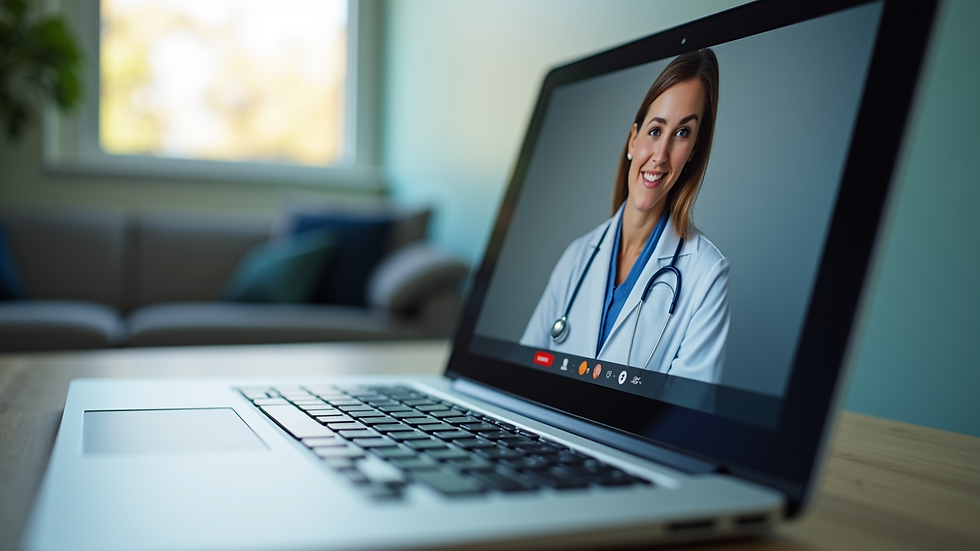
One concern I often hear is whether telehealth can truly replace in-person therapy. While nothing can fully replicate face-to-face interaction, many people find that telehealth creates a unique kind of connection. When you are in your own space, you might feel more relaxed and open.
Therapists trained in trauma-informed care understand the importance of building trust slowly and gently. They use techniques that help you feel seen and heard, even through a screen. Over time, this connection can become a strong foundation for healing.
If you ever feel disconnected or unsure during a session, it’s okay to speak up. Your provider can adjust the pace or try different approaches to help you feel more comfortable. Remember, your feelings are valid, and your care should always honor your experience.
Moving Forward with Compassion and Support
Healing from trauma is a journey that requires courage and support. Telehealth for trauma survivors offers a way to access compassionate care that fits your life and respects your needs. Whether you are dealing with anxiety, depression, or complex challenges like eating disorders or ADHD, telehealth trauma care can be a valuable part of your recovery.
At Gray Matters Wellness, I believe mental health care should feel thoughtful, safe, and truly individualized. Through trauma-informed telehealth psychiatry across New Mexico, I help people better understand their minds and regain stability. My goal is to create care that is collaborative, compassionate, and tailored to the complexity of real life.
If you are considering telehealth as part of your healing, I encourage you to take that first step. Reach out, ask questions, and explore how this approach can support your unique path to recovery.
Remember:
Healing is possible.
You are not alone.
Support is available in ways that work for you.
Your journey matters, and telehealth trauma care can be a gentle companion along the way.


Comments