Practical Wellness Strategies for a Balanced Life: Wellness Strategies for Stress

Living a balanced life feels like a constant challenge, especially when stress creeps in from every direction. I’ve learned that wellness is not about perfection but about practical strategies that help me stay grounded and resilient. In this post, I want to share some simple, effective wellness strategies for stress that anyone can use. These are tools I’ve found helpful, and I hope they can support you too.
Understanding Stress and Its Impact on Wellness
Stress is a natural response to challenges, but when it becomes chronic, it can affect our mental and physical health. I remind myself that stress is not just a problem to solve but a signal to pay attention to. It often feels overwhelming, but breaking it down into manageable parts helps me cope better.
Here’s a mental health fact: Anxiety often feels like a problem to solve, but sometimes it’s just information to notice. When I notice my anxiety, I try to observe it without judgment. This simple shift helps me reduce its power over me.
Practical Tip: Grounding Technique
When stress feels intense, I use grounding techniques to bring myself back to the present moment. One effective method is:
Name 5 things you see
Name 4 things you can touch
Name 3 things you hear
Name 2 things you smell
Name 1 thing you taste
This exercise helps me reconnect with my surroundings and calm my racing mind.

Grounding yourself in nature can help reduce stress and anxiety.
Wellness Strategies for Stress: Building Daily Habits
Creating daily habits that support mental wellness is key to managing stress. I focus on small, consistent actions that make a big difference over time.
1. Prioritize Sleep
Sleep is the foundation of wellness. I aim for 7-8 hours of quality sleep each night. To improve my sleep, I:
Avoid screens 30 minutes before bed
Keep my bedroom cool and dark
Practice deep breathing or meditation before sleeping
2. Move Your Body
Physical activity helps release tension and boosts mood. I don’t need to run a marathon; even a 10-minute walk outside helps me reset. Yoga and stretching are also great for calming the nervous system.
3. Nourish with Intention
Eating balanced meals supports both body and mind. I try to include whole foods, plenty of water, and limit caffeine and sugar, which can increase anxiety.
4. Set Boundaries
Saying no is a powerful wellness strategy. I protect my time and energy by setting clear boundaries at work and in relationships. This helps reduce overwhelm and creates space for self-care.
5. Connect with Others
Social support is vital. I reach out to friends or family when I need to talk or just feel connected. Even brief, meaningful interactions can lift my spirits.
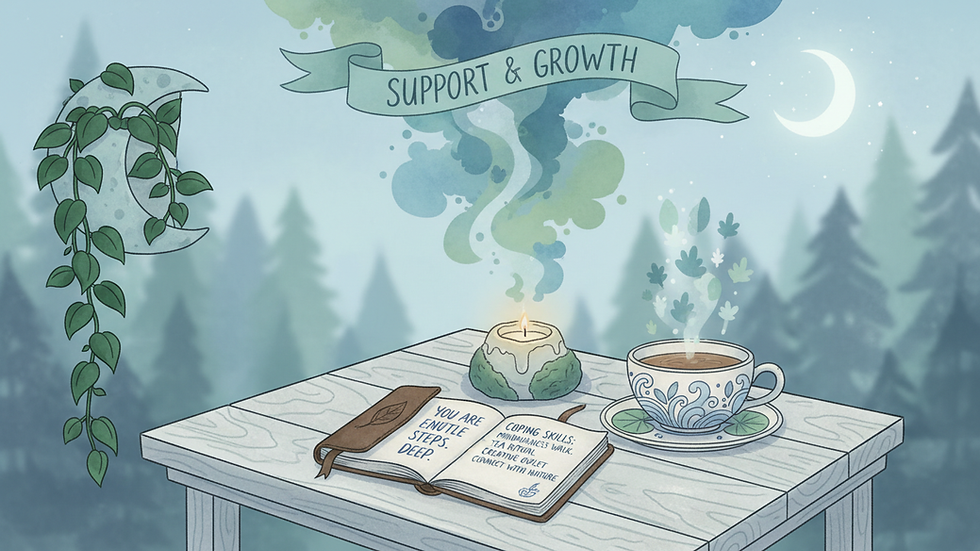
Creating a calming space encourages daily wellness habits.
Mindfulness and Emotional Awareness
Mindfulness is more than a buzzword; it’s a practical tool for managing stress. I practice being present with my emotions without trying to fix or avoid them. This helps me understand what I’m feeling and why.
How I Practice Mindfulness
I take a few minutes each day to sit quietly and focus on my breath.
When difficult emotions arise, I name them: “I am feeling anxious” or “I am feeling sad.”
I remind myself that emotions are temporary and do not define me.
This practice builds emotional resilience and reduces the intensity of stress.
Using Therapeutic Insights to Support Wellness
Therapy has taught me valuable insights that I apply daily. One that stands out is the idea that self-compassion is essential for healing. When I’m hard on myself, stress increases. Instead, I try to treat myself with the same kindness I would offer a friend.
Coping Skill: Self-Compassion
When I notice self-criticism, I pause and reframe my thoughts.
I say to myself, “It’s okay to struggle. I am doing my best.”
I practice gentle self-care, like taking a warm bath or reading a favorite book.
These small acts of kindness help me feel supported from within.
Finding Support Through Gray Matters Wellness
Navigating complex mental health challenges can feel isolating, but help is available. I’ve found that reaching out to professionals who understand the nuances of mental health, especially during times like perimenopause or when managing anxiety and depression, makes a huge difference.
If you’re looking for specialized care, gray matters wellness offers telehealth services that provide therapy and medication management in a meaningful way. Whether you’re just starting or need ongoing support, you’ll find safety and help with them.
Creating Your Own Wellness Toolbox
Wellness is personal, and what works for me might not be the same for you. I encourage you to build your own toolbox of strategies that feel right. Here are some ideas to get started:
Journaling your thoughts and feelings
Practicing gratitude daily
Engaging in creative activities like drawing or music
Using apps for meditation or mood tracking
Scheduling regular check-ins with a therapist or counselor
Remember, wellness is a journey, not a destination. Each step you take is progress.
I hope these practical wellness strategies for stress help you find more balance and peace in your life. Taking small, intentional actions every day can transform how you experience stress and support your mental health in meaningful ways. You deserve to feel well and whole.


Comments